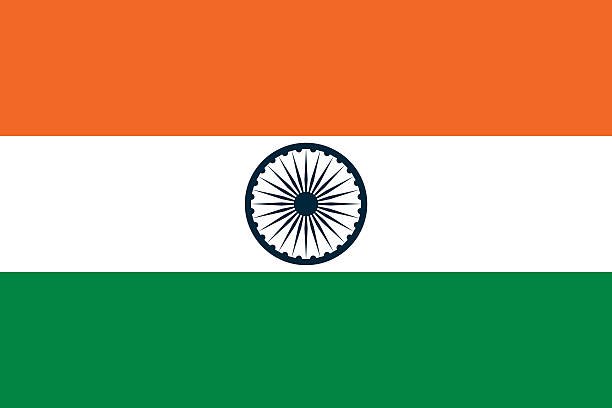
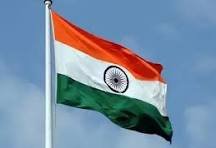
The journey of the Indian flag began long before the nation achieved independence. The design of the Tiranga in its present form was officially adopted on July 22, 1947, by the Constituent Assembly of India, just weeks before India became a sovereign nation on August 15, 1947. However, the evolution of the national flag dates back to the early 20th century, when the spirit of freedom was steadily rising across the country.
In 1906, one of the earliest versions of an Indian flag was unfurled in Calcutta (now Kolkata). This flag featured three horizontal stripes and symbols representing unity and self-rule. Over the next few years, different versions of the flag were proposed by freedom fighters and leaders who wanted a symbol that could unite the people of India against British rule.